

How Payment Processing Works
Every time a customer swipes, taps or hits “pay Now”, their money takes a backstage journey through the payment process. The details of that process are often a bit opaque to those who aren’t in the payment industry, but they can have real consequences that impact merchants, including fees they pay, how long they wait for their funds and who they rely on for support
What is Payment Processing?
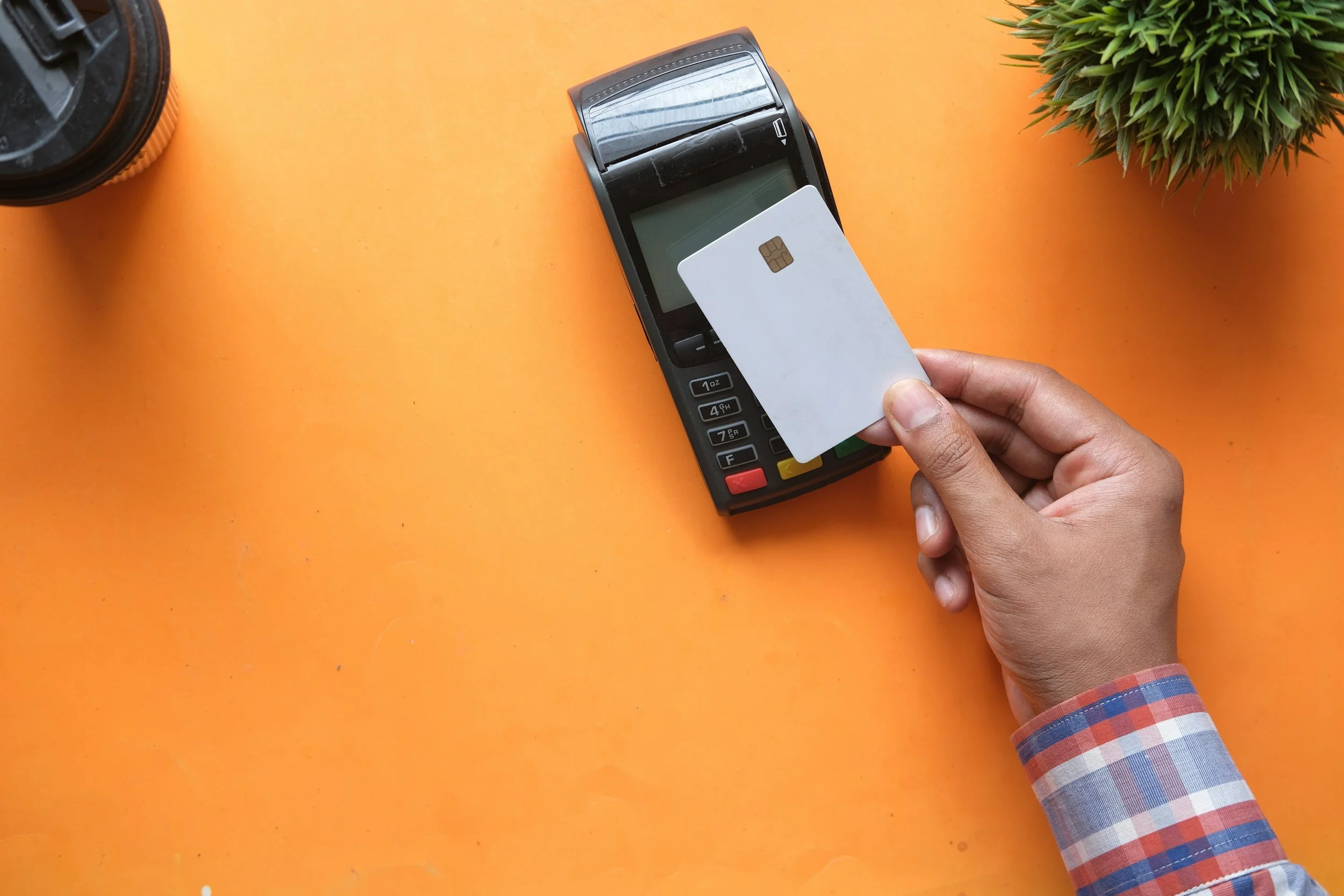
Payment Processing is how money transfers from customer to merchant in non-cash transactions. While the term “credit card processing” is commonly used, payment processing also includes debit cards transactions, digital wallets like Apple Pay and even alternative payment methods like ACH or Buy Now Pay Later (BNPL) solutions
Who's Involved in the Process?
To set the stage, here’s a quick overview of the parties involved in the payment process
Issuing Bank - the bank that issued the customer’s credit/debit card
Cardholder (customer) - The person making a purchase with their credit card
Merchant - The business accepting the card payment
Acquiring bank (acquirer) - the merchant’s bank that receives the funds on behalf of the merchant.
Payment Processor - The company that communicates with card networks and banks and manages the payment process on behalf of the merchant
Card Networks - The company that routes transactions between banks and processors, creates card technology (like chips and EMV), and sets the security standards and fees for transactions within their networks. Some car networks (e.g., American Express) are also card issuers; in this case, they may act as the issuing bank in the process.
Agent or ISO (Independent Sales Organization) - a representative who partners with a a processor to sell (and support) payment solutions to merchants

What do Payment Processors Do?
The core responsibilities of the payment processor include:
Providing payment technology and processing solutions (e.g., point os sale (POS), terminals, online gateways, etc)
Initiating transactions via the merchant POS
Connecting the POS to card networks
Communicating information from card networks and banks
Authorizing transactions by ensuring the customer has sufficient funds or credit to cover the transaction.
Coordinating the clearing and settlement of funds from the acquiring bank to the merchant’s bank account
Supporting secure transactions through PCI compliance and encryption
Mitigating risk with chargeback and fraud prevention support
Transaction Initiation
The customer taps, inserts, or swipes their card at the point of sale (POS) or terminal (or enters card details online). The POS system, terminal or gateway then sends transaction data to the processor. Direct Processors handle this transaction directly, while indirect processors forward transaction details to a third party
Authorization
Next the processor contacts the card network (Visa, Mastercard, etc.) which then communicate with the customers issuing bank. The issuing bank approves or declines based on availability funds/credit limit and potential fraud detection. Since direct processors own their networks, they can connect and commuincate faster with card networks and issuing banks. The extra touchpoint created by indirect processor’s external network can slow things down.
Clearing & Settlement
If the issuer approves, the processor forwards the transaction to the acquiring bank. The issuing bank transfers funds to the merchant’s bank account. In some cases, the processor, acquirer and the merchant account provider may all be the same provider. Settlement is faster with direct processors-merchant may get their funds the same day. Indirect processors may delay settlement, often one to three business days or longer.
The 3-Step Payment Processing Process

Frequently Asked Questions About Choosing a Payment Processor
-
If you’re dealing with high fees, poor customer service, or technology limitations-or if your business has outgrown your current setup-it may be time to explore better options. Ask yourself if your current provider still meets your needs
-
Your POS is the physical or digital tool you use to take payments (like a card reader or register). your processor is the behind-the-scenes service that moves money from your customer’s account to yours. Sometimes they’re bundled together.
-
Not at all. They vary in pricing transparency, serice quality, funding speed, technology compatibility, contract terms and more. A processor that fits one business might be a bad match for another-so it pays to hear the complete offer suite from each processor
-
Pricing depends on factores like your industry, transaction volume, risk profile, and whether the provider is a direct processor or aggregator. Make sure you get a full breakdown of fees-and know what’s included
-
Don’t just take their word for it. Look for 24/7 access, U.S.-based support, reviews from other merchants and fast resolution times. If possible, test their support experience before signing on.
-
Key questions include:
How soon will I get funded after closing a batch
Do I get a dedicated merchant ID
Will I have a dedicated rep assigned to my account to assist with questions
What are the contract terms
What kinds of businesses or transactions do you specialize in?
Contact us
Interested in working together? Fill out some info and we will be in touch shortly. We can’t wait to hear from you!